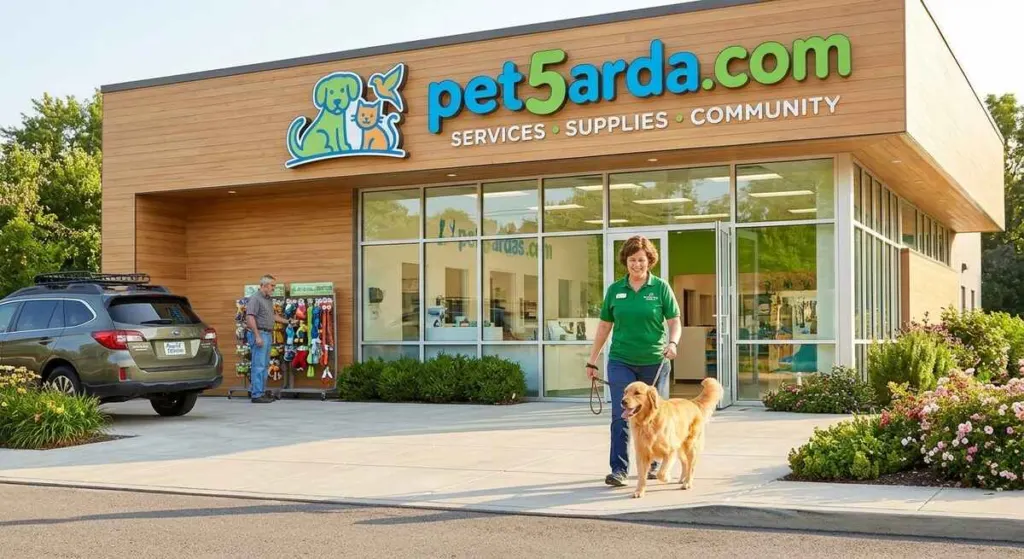
Modern pet ownership blends preventative health, smart nutrition, and digital tools. Online platforms like pet5ardas com help owners track daily wellness, research reliable care advice, and coordinate with veterinarians. By focusing on observation, sound science, and mental stimulation, you can give your pets a healthier, happier life.
Have you ever stared at your dog or cat and wondered if that subtle change in their daily routine warrants a trip to the clinic? You aren’t alone. Companion animal care has changed dramatically over the last decade, shifting from reactive emergency visits to proactive, lifestyle-focused wellness.
Today, pet parents rely on digital platforms, community insights, and structured portals like pet5ardas com to make informed daily choices. Whether you want to master feline nutrition, solve canine behavioral quirks, or streamline your preventive care schedule, having a clear roadmap makes all the difference.
The Evolution of Pet Care: From Basic Feeding to Holistic Wellness
Decades ago, domestic pet care rarely went beyond commercial kibble, an annual rabies shot, and an occasional backyard bath. Today, we view our companion animals as full family members whose longevity depends on balanced biological and emotional health.
This transformation stems from better veterinary science and accessible digital education. Owners no longer wait for obvious signs of illness before taking action. Instead, they monitor baseline indicators like coat quality, joint mobility, stool consistency, and water intake.
Defining Holistic Pet Wellness:
A care philosophy that addresses an animal’s physical health, emotional environment, dietary biology, and daily mental stimulation as an interconnected system, rather than treating isolated symptoms as they appear.
Veterinarians consistently emphasize that consistent preventative maintenance drastically reduces long-term medical costs. According to the American Veterinary Medical Association, routine wellness exams and early diagnostic screenings remain the single most effective way to extend a companion animal’s lifespan. When you pair professional clinical evaluations with attentive at-home tracking, you create a powerful safety net for your pet.
What Is pet5ardas com? A Fresh Approach to Digital Pet Guidance
With countless pet forums, blogs, and social media channels circulating conflicting advice, finding reliable guidance can feel overwhelming. This is where pet5ardas com enters the conversation as an emerging resource for organized companion animal care.
Rather than forcing owners to sift through fragmented threads and unverified anecdotes, dedicated hubs aggregate structured pet lifestyle guides, wellness principles, and practical ownership tips in one accessible place.
How Digital Care Portals Work
Modern pet platforms generally operate on a three-tier framework:
- Curated Educational Databases: Articles breaking down life-stage requirements, from puppy vaccination timelines to senior cat mobility care.
- Standardized Routine Frameworks: Easy-to-follow checklists that simplify grooming schedules, dental hygiene routines, and parasite prevention.
- Community Context: A space where everyday owners can compare real-world experiences, helping beginners understand what is typical and what requires attention.
By utilizing platforms like pet5ardas com, owners can bridge the knowledge gap between scheduled veterinary appointments. You gain the confidence to handle basic husbandry questions at home while knowing precisely when an issue calls for professional clinical intervention.
Daily Health Tracking: Why Consistency Beats Crisis Management
Animals are masters at hiding discomfort. In the wild, displaying pain makes an animal vulnerable, and our domestic dogs and cats still carry that instinctual stoicism. Because of this, waiting for your pet to vocalize pain often means an underlying condition has already advanced.
Daily tracking does not require expensive laboratory equipment or medical training. It simply asks you to observe and note subtle physical markers during regular interactions, like brushing or feeding.
A Real-World Example: Catching Subtle Shifts Early
Consider the case of a six-year-old indoor tabby named Oliver. His owner noticed via their regular routine logs that Oliver left about two ounces of water untouched from his usual intake, while occasionally hesitating before jumping onto the sofa.
Because the owner tracked these patterns instead of dismissing them as random moods, an early exam revealed low-grade dental resorption and early-stage joint inflammation. Treating these minor issues prevented a severe systemic infection and saved thousands in emergency dental surgery down the road.
Decoding Animal Nutrition: Sorting Trends From Science
Walk down any pet supply aisle, and you will see buzzwords: grain-free, ancestral, raw, freeze-dried, and human-grade. Marketing teams design packaging to appeal to human grocery preferences, but human nutritional rules rarely match obligate carnivore or facultative carnivore biology.
Cats, for example, require high concentrations of animal tissue to synthesize essential amino acids like taurine and arachidonic acid. Dogs possess genes for starch digestion, yet their gastrointestinal tracts remain far shorter and more acidic than ours, optimized for concentrated protein and animal fats.
When formulating or tweaking your pet’s diet, safety must come before trends. The ASPCA Animal Poison Control Center maintains extensive documentation demonstrating that common kitchen ingredients—including onions, garlic, grapes, raisins, xylitol sweeteners, and certain raw bones—pose severe, sometimes fatal risks to pets.
Before adopting any non-traditional feeding strategy, check whether the food meets established dietary adequacy standards, and always review formulation adjustments with your primary veterinarian.
Digital Tools vs. Traditional Vet Visits: A Detailed Comparison
Can an app or website replace a licensed veterinary physician? Absolutely not. However, treating digital platforms and physical clinics as competitors misses the point entirely. They work best as complementary parts of a modern care plan.
Online resources excel at providing baseline husbandry facts, nutritional literacy, and daily maintenance habits. In-person clinics provide diagnostic imaging, blood chemistry panels, surgical solutions, and tactile palpation that no screen can replicate.
| Feature / Capability | Digital Portals (e.g., pet5ardas com) | Veterinary Clinics | Telehealth Consultations |
| Primary Purpose | Preventative education & daily logs | Diagnostic testing & physical treatment | Triage & minor symptom assessment |
| Availability | 24/7 on-demand access | Business hours + emergency centers | Extended remote hours by appointment |
| Physical Exam | Not possible | Comprehensive tactile analysis | Visual assessment via camera only |
| Prescription Authority | None | Full diagnostic dispensing | Limited by regional veterinary laws |
| Cost Profile | Free or low monthly subscription | Per-procedure & consultation fees | Moderate flat-rate consult fee |
| Ideal Use Case | Building habits, diet tips, breed guides | Acute illness, trauma, annual wellness | Post-op checks, behavioral advice |
Using pet5ardas com alongside your veterinarian’s advice prevents “clinic fatigue.” You save routine visits for true medical necessities while remaining informed enough to ask intelligent, focused questions during your annual checkups.
Behavioral Enrichment: Mental Stimulation Beyond the Daily Walk
Physical exercise alone does not satisfy an intelligent animal. A two-mile walk on a short leash offers cardiovascular movement, but it does little to exhaust a dog’s olfactory cortex. Similarly, an indoor cat with a bowl of free-fed kibble and zero hunting puzzles often turns to destructive scratching or midnight howling out of sheer boredom.
Behavioral enrichment activates natural foraging, scent-tracking, and problem-solving instincts.
When you incorporate structured enrichment into your routine, common behavioral problems often vanish on their own. Dogs chew furniture and cats scratch carpets when their brains lack purposeful work. Give them an outlet, and their demeanor transforms.
Building an Emergency Preparedness Plan for Your Household Pets
Emergencies strike without warning, whether it is a localized power grid failure, a flash flood, an apartment fire, or a sudden toxic ingestion. Having a clear plan in place keeps you from panicking when every second counts.
Your emergency strategy needs two distinct parts: a physical grab-and-go kit and a cloud-accessible folder containing your animal’s vital medical records.
The Essential Pet Survival Kit
- Food & Potable Water: A five-day supply stored in airtight, waterproof containers, along with collapsible silicone bowls.
- Medication Reserve: At least one week of essential daily prescriptions, rotated every six months to prevent expiration.
- Physical Identification: A sturdy harness and leash with stamped tags showing your current phone number and backup contacts.
- Sanitation Supplies: Waste bags, paper towels, a travel litter box for cats, and medical-grade disinfectant wipes.
- Comfort Item: A worn t-shirt or small blanket carrying your scent to soothe an animal stressed by transit or evacuation shelters.
Keep duplicate copies of vaccination certificates, microchip registry codes, and emergency hospital contact numbers saved in your phone notes and backed up online. If you must evacuate quickly, having these records readily accessible ensures smooth intake at boarding facilities or emergency clinics.
Community-Driven Knowledge: Sifting Good Advice from Bad Myths
The internet offers incredible communities of dedicated pet lovers, but it also spreads dangerous misconceptions. Well-meaning forum users often share home remedies that are ineffective or hazardous.
For instance, garlic does not safely eliminate intestinal worms; it damages red blood cells and causes hemolytic anemia. Similarly, feeding an animal raw milk does not soothe an upset stomach, as most adult mammals lack the lactase enzyme needed to break down dairy sugars.
Reliable educational platforms like pet5ardas com filter out viral trends in favor of safe, vetted guidelines. When exploring advice online, always prioritize sources that champion slow, evidence-backed improvements over quick fixes.
Frequently Asked Questions
What kind of information can you find on pet5ardas com?
The platform offers structured educational guides, daily care checklists, pet lifestyle tips, and basic wellness advice. It is designed to help owners manage nutrition, hygiene, and daily care routines without confusing technical jargon.
Can online pet platforms replace an in-person veterinary checkup?
No. Digital platforms provide helpful daily guidance, but they cannot perform hands-on exams, run blood work, take X-rays, or prescribe medications. Always consult a licensed veterinarian for medical diagnoses and treatment plans.
How often should I update my pet’s digital health records?
Update your records after every veterinary visit, vaccination, or weight change. A quick review every three to six months helps you spot subtle shifts in weight or medication schedules before they cause problems.
What are the earliest signs of nutritional deficiency in domestic pets?
Early signs include a dull or brittle coat, excessive dander, chronic low energy, digestive issues, and unusual weight changes. If these symptoms appear, have your vet review your pet’s diet for missing nutrients.
How do I choose between raw, commercial, and home-cooked diets?
Base your decision on your pet’s life stage, underlying health, and guidance from a veterinary nutritionist. While balanced commercial diets suit most pets, home-cooked or raw plans require strict formulation to prevent nutrient imbalances